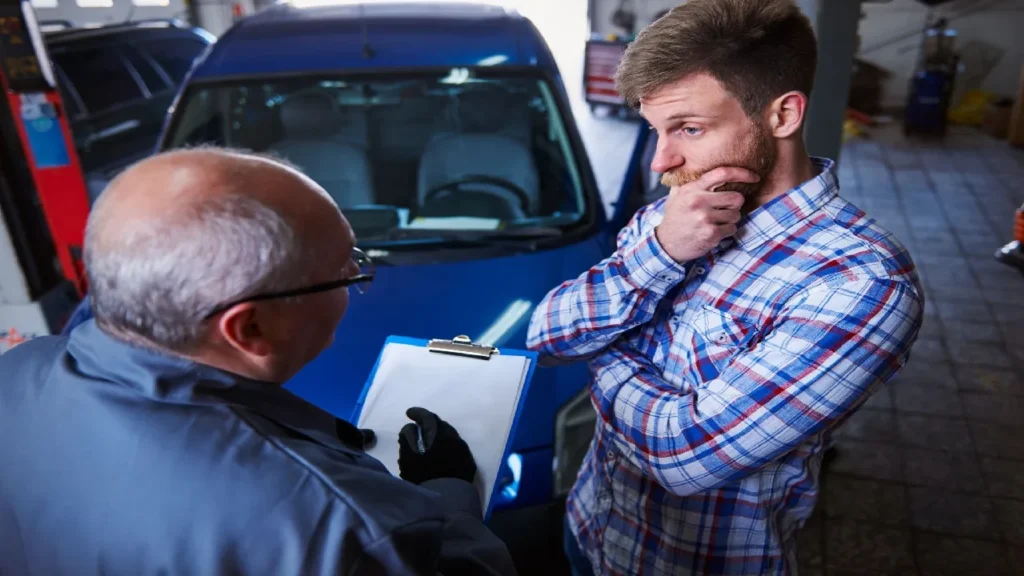
When an older vehicle reaches the point where repairs cost more than the car is worth, finding a reliable way to dispose of it becomes a priority. The central question most owners face is straightforward: where can I sell a junk car to get a fair return without taking on unnecessary stress?
The ideal selling channel depends largely on your vehicle’s condition, whether it still runs, and how much time you want to invest in the transaction. Generally, owners choose among specialized junk car buyers, local scrap and salvage yards, online vehicle platforms, trade-in programs, or private buyers.
Understanding how each channel operates helps you select the right outlet, avoid common transaction pitfalls, and transition an idle vehicle into useful cash or garage space.
1. Dedicated Local Junk Car Buyers
Specialized junk car buyers focus specifically on older, damaged, high-mileage, or completely inoperable vehicles. They evaluate cars based on a combination of salvageable components and raw scrap metal weight.
How the Process Works
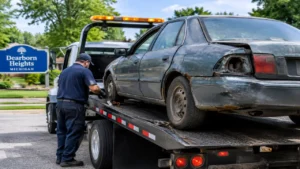
Most local buyers provide a quote over the phone or through an online form after you supply basic details: the year, make, model, general mechanical condition, and title status. If you accept the estimate, they schedule a pickup time, send a tow truck to your location, complete the paperwork on site, and hand over payment immediately before loading the car.
Advantages
- Complimentary Towing: Reputable specialized buyers typically include free removal as part of the service, which is essential if the vehicle cannot be driven safely.
- Rapid Turnaround: Transactions often wrap up within twenty-four to forty-eight hours, making this option suitable for anyone facing municipal parking warnings or neighborhood association deadlines.
- Predictable As-Is Purchase: Because these businesses expect mechanical faults, body damage, or missing components, you do not need to detail the car or fix minor issues before selling.
Things to Keep in Mind
Confirm in advance that the initial quote is guaranteed and that towing is truly free. Reliable operators confirm the exact payout before dispatching a driver, ensuring there are no surprises when the vehicle is loaded.
2. Local Auto Salvage Yards and Auto Wreckers
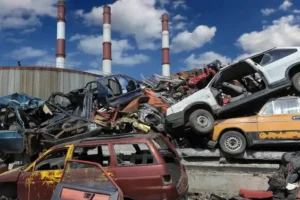
Auto wreckers and scrap facilities process end-of-life automobiles directly. They dismantle cars, reclaim operational parts for resale, capture hazardous fluids according to environmental standards, and crush the remaining chassis for metal recycling.
How the Process Works
You contact local yards directly with your vehicle’s curb weight, model, and condition. The yard provides an offer rooted primarily in current market rates for scrap steel, aluminum, and core parts.
Advantages
- Direct Market Pricing: Dealing directly with the facility processing the raw materials eliminates third-party markups.
- Acceptance of Severely Damaged Cars: Salvage yards regularly accept vehicles that have suffered frame damage, flood exposure, or catastrophic engine failure.
Things to Keep in Mind
- Transportation Responsibility: Many scrap yards expect you to deliver the vehicle to their scale. If your car does not run, you will need to ask whether they offer pickup services and whether the cost of towing will be deducted from your final payment.
- Weight-Based Valuation: Cosmetic condition and past maintenance records rarely influence a salvage yard’s quote; payout is almost entirely determined by gross tonnage and high-value materials such as catalytic converters.
3. Private Car Buyers and Online Classifieds
Selling directly to an individual through online classifieds or community marketplaces remains an option for specific categories of older cars.
When Private Sales Make Sense
This route works best if the car still starts, drives, and requires only straightforward maintenance—such as a new battery, fresh brakes, or an alternator replacement. DIY mechanics, hobbyists, or drivers seeking low-cost daily transportation actively search for affordable repair opportunities.
Advantages
- Higher Payout Potential: Private buyers purchase cars for transportation rather than scrap value, meaning they are frequently willing to pay more than commercial metal processors with Moe’s Cash For Junk Car
Things to Keep in mind
- Time Commitment: Creating listings, taking photos, answering inquiries, and coordinating safe meeting times requires ongoing attention.
- Logistical Friction for Non-Runners: If a car cannot move under its own power, private buyers are significantly less likely to purchase it unless they happen to own a trailer or car dolly.
4. Online Car-Buying Platforms and Aggregators
In recent years, several large digital platforms have emerged to streamline vehicle sales nationwide.
How the Process Works
You enter your Vehicle Identification Number (VIN) and answer several condition prompts on an automated portal. The platform generates an instant automated quote. If accepted, the service coordinates with an independent local towing contractor to collect the vehicle and issue a check or digital transfer.
Advantages
- Convenient Quotes: You can compare numbers from your computer without placing multiple calls.
- Structured System: Established platforms use standardized digital workflows that clearly outline the paperwork steps.
Things to Keep in Mind
- Variable Timelines: Because national platforms subcontract pickup logistics to third-party regional haulers, pickup windows can take several business days to finalize.
- Potential Offer Adjustments: If the towing driver’s physical inspection differs from your online survey answers, the platform may adjust its initial offer on the spot.
5. Dealership Trade-Ins
Some vehicle owners explore trading in an older vehicle when purchasing a replacement from a dealership.
What to Expect
Traditional dealerships focus on inventory they can retail on their front lot or send to commercial dealer auctions. If your car has severe mechanical issues or heavy cosmetic damage, the dealership will likely offer a nominal wholesale allowance and wholesale the car directly to an auction or local scrapper.
When to Consider It
A trade-in is primarily useful for sheer convenience if you are already buying another vehicle from that specific dealer on the same day. However, for genuinely non-operational or high-mileage scrap vehicles, direct salvage buyers or dedicated car-buying services usually yield clearer valuations.
How to Prepare Your Vehicle for a Smooth Sale
Regardless of which outlet you select, taking a few systematic steps beforehand protects your personal information and prevents administrative delays.
1. Locate and Review Ownership Documents
Having a valid, clean title in your name makes the transfer straightforward. Confirm that:
- The name on the front matches your government-issued identification.
- Any active liens from previous financing have been formally released by the lender.
If the title is misplaced, contact your state’s motor vehicle department to request an expedited replacement title. Certain states permit salvage sales of older vehicles without a physical title using alternative proof of ownership, such as an active registration and a notarized bill of sale, but confirming local guidelines beforehand is essential.
2. Remove All Personal Belongings
Vehicles often accumulate years of personal items in overlooked spaces. Before the buyer arrives, complete a thorough check:
- Clear the glove compartment, center console, and overhead sunglass compartments.
- Check beneath the front and rear seat rails.
- Inspect the trunk, spare tire compartment, and side storage pockets.
- Remove toll transponders, parking passes, and aftermarket navigation mounts.
3. Take Off the License Plates
In most jurisdictions, license plates belong to the registered driver, not the vehicle itself. Remove the plates before the tow truck departs. Depending on your state’s rules, you will either transfer the plates to another vehicle or return them to your local registry to cancel the registration formally.
4. Notify Your Department of Motor Vehicles and Insurer
Once the bill of sale is signed and the vehicle is handed over:
- Submit a notice of sale or transfer of liability form to your local DMV. This step formally ends your legal responsibility for the vehicle.
- Contact your insurance carrier to cancel the policy on that vehicle, which may qualify you for a prorated refund on prepaid premiums.
Common Mistakes to Avoid
A few simple precautions help ensure the transaction proceeds without complications:
- Paying for Private Towing: If a commercial buyer asks you to hire an independent tow truck to bring them an inoperable car, consider other options. Established buyers incorporate transport logistics into their service.
- Leaving the Fuel Tank Full: If the car has a substantial amount of usable fuel, safely siphoning it for use in other equipment helps you recover that value before pickup.
- Handing Over the Signed Title Prematurely: Complete the assignment section on the title only when the buyer is physically present, the final amount is confirmed, and payment is in hand.
Frequently Asked Questions
Can I sell a junk car if it does not run at all?
Yes. Professional junk car buyers, salvage facilities, and auto wreckers routinely purchase vehicles with non-functioning engines, dead batteries, or broken transmissions. They bring flatbeds equipped with winches to load non-running vehicles safely.
What documents do I need to complete the sale?
You typically need a valid government-issued photo ID, the original vehicle title signed over to the buyer, and a basic bill of sale outlining the date, purchase price, and vehicle identification number. If the title is missing, check with local buyers about your state’s duplicate title procedures.
How is the value of an inoperable car calculated?
Value is determined primarily by the vehicle’s total weight in recyclable metal, current scrap commodity prices, and the market demand for any intact, reusable mechanical components such as the transmission, engine core, battery, and catalytic converter.
Is towing always included when selling to a junk car buyer?
Most established local buyers provide free towing as a standard part of their purchase offer. It is always wise to confirm during the initial quote that no removal fees or dispatch charges will be subtracted from the agreed-upon cash amount.
Making the Right Choice for Your Vehicle
Selling an old or damaged automobile does not need to be an overwhelming chore. If the vehicle is in running condition and you are comfortable managing listings, private sales often yield the highest return. If your priority is quick removal, guaranteed payment, and complimentary towing for a non-operational car, contacting a dedicated local junk car buyer or reputable salvage facility provides the most practical and dependable solution.
Gather your paperwork, obtain clear quotes from trusted providers, and choose the path that best matches your timeline and vehicle condition.