If you have an old car sitting in your driveway, a vehicle that no longer runs or a damaged car that isn’t worth repairing, you have several options for selling it. The right buyer depends on the vehicle’s condition, whether it has valuable parts, and how quickly you want to complete the sale.
So, who can you sell your junk car to? You can contact a dedicated junk car buyer, a scrap yard, a salvage dealer, a private buyer or a business that purchases vehicles for parts and recycling. Each option has a different process, and the amount you receive may vary depending on the vehicle and the buyer’s requirements.
For vehicle owners in Dearborn Heights and the surrounding Detroit area, a local junk car buyer such as Moe’s Cash for Junk Cars is one option to consider. Comparing a few buyers before accepting an offer can help you understand your choices and decide which arrangement works best for you.
1. Sell Your Junk Car to a Dedicated Junk Car Buyer
A dedicated junk car buyer is often a practical starting point when you want to sell an unwanted vehicle without arranging a private sale.
These businesses purchase vehicles in different conditions, including some that are old, damaged, non-running or no longer economical to repair. Depending on the vehicle, the buyer may plan to resell it, recover usable parts or send it for scrap processing.
The process generally begins with a few details about your car. You may be asked for its make, model, year, condition, mileage and location. Information about major damage, missing components and title status can also affect whether the buyer is interested.
Why consider a junk car buyer?
- A straightforward selling process: You can discuss the vehicle directly with a business that purchases unwanted cars.
- Options for non-running vehicles: Some buyers accept cars that cannot be driven.
- Less preparation: You may not need to repair or professionally clean the vehicle before requesting an offer.
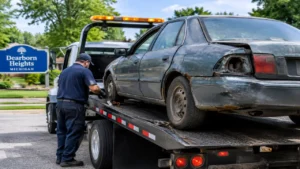
- Possible vehicle pickup: Some buyers offer towing or collection arrangements, depending on the vehicle and location.
Before agreeing to a sale, confirm the offered amount, pickup arrangements, payment method and any conditions that could change the offer.
If you’re located in Dearborn Heights, Moe’s Cash for Junk Cars is a local business to contact about selling an unwanted vehicle. Visit moescashforjunkcars.com to learn more and discuss your car.
2. Take Your Car to a Scrap Yard
A scrap yard may be a suitable option if your vehicle has reached the end of its useful life and is unlikely to be repaired economically.
Scrap buyers generally consider the vehicle’s metal content, weight, condition and current scrap material values. Some facilities also purchase vehicles with reusable components, depending on their business and acceptance policies.
Before choosing a scrap yard, ask:
- Does the facility buy complete junk cars from private owners?
- Do I need to deliver the vehicle myself?
- Can the yard collect a non-running car?
- Are towing or processing fees deducted from the offer?
- What ownership documents are required?
A scrap yard can be worth considering when your main goal is to dispose of a vehicle responsibly. However, compare its offer with those from dedicated junk car buyers before making a decision.
3. Contact an Auto Salvage Dealer
An auto salvage dealer purchases vehicles that may have usable parts or value as salvage inventory.
Even when a car cannot be driven, components such as the engine, transmission, wheels, body panels and electronic parts may retain value. The amount depends on the vehicle’s make, model, condition, demand for its components and the cost of recovering them.
Salvage dealers may be particularly relevant if your vehicle has collision damage, mechanical problems or extensive wear.
For example, a damaged vehicle with several reusable components may interest a salvage dealer more than a buyer focused primarily on scrap metal. The reverse may also be true for a severely deteriorated vehicle with little recoverable value.
When contacting a dealer, describe the damage accurately and mention any missing components. Ask whether the offer includes pickup and whether the quoted amount is subject to an inspection.
You can also compare local businesses through the Michigan Department of Environment, Great Lakes, and Energy’s automotive salvage and scrap metal resources. These resources provide information about the state’s automotive salvage and recycling sector.
4. Sell the Car Privately
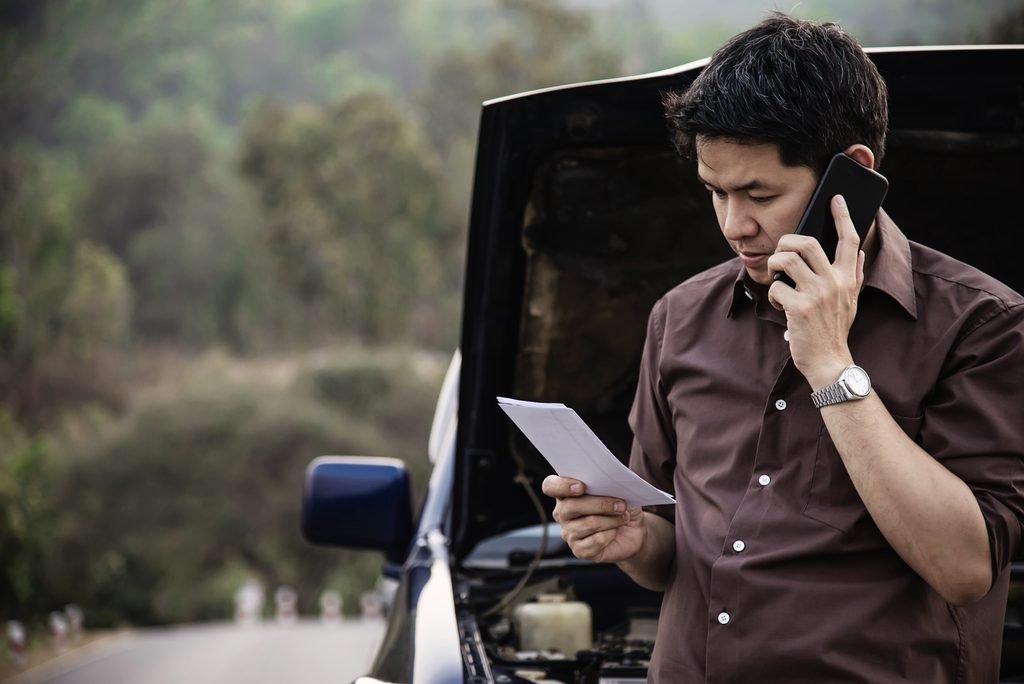
A private buyer may be interested in your vehicle if it still runs, needs minor repairs or has parts worth recovering.
You could advertise the car through an online marketplace or local classified listing. This approach lets you communicate directly with potential buyers and consider different offers.
However, private sales generally require more involvement from the seller. You may need to prepare a listing, answer questions, arrange inspections and coordinate payment and ownership paperwork.
A private sale may suit you if:
- The car is still roadworthy or has a repairable problem.
- You can provide accurate details about its condition.
- You’re comfortable communicating with potential buyers.
- You can arrange a safe inspection and complete the paperwork correctly.
Be honest about mechanical faults, accident damage and title status. If the car doesn’t run, state that clearly so prospective buyers understand what they’re considering.
For a vehicle with major damage or extensive mechanical problems, compare the private-sale route with a specialist buyer before spending money on repairs or advertising.
5. Sell Your Car to a Business That Buys Vehicles for Parts
Some businesses purchase unwanted cars primarily to recover usable components. This option may be relevant when your vehicle has parts that remain in demand, even if the complete car is no longer suitable for everyday driving.
The buyer may evaluate the vehicle’s engine, transmission, body panels, wheels, interior components and other reusable parts. The condition of those components can influence the offer.
A vehicle that has suffered damage in one area may still contain useful parts elsewhere. On the other hand, a car with extensive corrosion, missing components or widespread damage may have a different resale or recycling value.
Ask the buyer how the vehicle will be assessed and whether the quoted price depends on an in-person inspection. If you receive an offer from a parts buyer, compare it with the amount available from a junk car buyer or salvage dealer.
Which Junk Car Buyer Should You Choose?
The right option depends on your priorities and the condition of your vehicle.
| Selling option | May be suitable when | What to check |
| Dedicated junk car buyer | You want a straightforward sale for an unwanted or non-running vehicle | Offer, pickup arrangements and payment |
| Scrap yard | The car is primarily suitable for scrap processing | Scrap value, delivery and disposal fees |
| Salvage dealer | The vehicle may contain reusable parts | Condition assessment and parts demand |
| Private buyer | The vehicle runs or may be repairable | Time, inspections, payment and paperwork |
| Parts-focused buyer | Specific components may retain value | Which parts affect the offer and whether collection is available |
Don’t assume that one type of buyer will always pay more. Offers vary according to vehicle condition, market demand, transport costs and each buyer’s business model.
The most useful comparison is between actual offers for your particular car, with any pickup charges or other deductions taken into account.
How to Get a Better Offer for Your Junk Car
You don’t necessarily need to repair a junk car to make it more appealing to a buyer. Instead, focus on providing accurate information and comparing the available options.
Gather the vehicle details
Before requesting quotes, collect the following information:
- Make, model and year
- Approximate mileage
- General mechanical condition
- Accident damage or major mechanical faults
- Missing parts or components
- Whether the vehicle starts or runs
- Title status and any outstanding lien
Clear photographs can also help a buyer understand the vehicle’s condition before arranging an inspection.
Compare more than one offer
Contact two or three suitable buyers if practical. Give each one the same basic information so you can compare their offers fairly.
Ask whether the quoted amount is final or subject to inspection. Confirm whether towing is included, whether any fees apply and how payment will be made.
A higher initial quote isn’t necessarily the best overall deal if additional costs reduce the amount you receive.
Remove your personal belongings
Check the glove compartment, boot, centre console and other storage areas before collection. Remove personal documents, garage access devices and any other belongings you want to keep.
If you have removed personal items, double-check the vehicle before handing it over.
Avoid unnecessary repairs
Before spending money on a new battery, tyres or mechanical work, ask potential buyers how they assess non-running vehicles. A repair may improve the car’s value in some situations, but the additional expense may not be worthwhile.
Compare the expected increase in the offer with the repair cost rather than assuming every repair will pay for itself.
What Documents Do You Need to Sell a Junk Car in Michigan?
For most ordinary vehicle sales in Michigan, the title and ownership paperwork are important parts of the transaction. The exact requirements can depend on the vehicle’s title status and the type of sale.
The Michigan Department of State explains that sellers generally need to complete the appropriate section of the original title, provide an accurate odometer disclosure when required and address any outstanding lien. Sellers should also retain a copy of the completed paperwork and remove their licence plate before handing over the vehicle.
Before arranging collection:
- Locate the vehicle title and check that the ownership information is correct.
- Confirm whether a lender’s lien needs to be released.
- Ask the buyer which documents are required for your specific vehicle.
- Complete the applicable ownership documents accurately.
- Keep a record of the sale and confirm how the vehicle’s transfer will be handled.
If you cannot locate your title, contact the Michigan Secretary of State to determine whether you qualify for a replacement or another permitted ownership procedure. Don’t assume a buyer can complete every transaction without proof of ownership.
You can find official guidance through the Michigan Secretary of State’s vehicle title information.
Where Can You Sell a Junk Car in Dearborn Heights, MI?
If you live in Dearborn Heights or a nearby Detroit-area community, a local junk car buyer may be a convenient option to explore.
Moe’s Cash for Junk Cars is located at 25350 Ramey St, Dearborn Heights, MI 48127. Its website describes services for buying and removing unwanted, old and damaged vehicles, including towing arrangements. The business also provides a quote request form.
You can visit the Moe’s Cash for Junk Cars website to discuss your vehicle and request a quote. The company lists a service area that includes Detroit and several surrounding communities.
When requesting an offer, provide your vehicle’s year, make, model and condition. Explain whether it runs and mention any significant damage or missing parts. Before confirming the sale, ask about the final offer, collection arrangements, payment and required paperwork.
Frequently Asked Questions
Can I sell a junk car that doesn’t run?
Yes. Dedicated junk car buyers, salvage dealers and some scrap yards purchase non-running vehicles. Acceptance depends on the vehicle, its ownership documents and the buyer’s requirements. Tell the buyer that the car doesn’t run when requesting a quote.
Who pays the most for junk cars?
There isn’t one buyer that always pays the most. A salvage dealer may value reusable components, while a scrap yard may focus more on scrap material value. Compare offers and account for towing charges, fees and other conditions before choosing.
Can I sell my junk car without a title in Michigan?
The options depend on the vehicle and your ownership circumstances. Contact the Michigan Secretary of State to establish which documentation or replacement-title procedure applies. Confirm the buyer’s requirements before arranging a sale.
Will someone buy a car with accident damage?
Yes, some junk car buyers and salvage dealers purchase accident-damaged vehicles. The offer depends on the extent of the damage, the vehicle’s condition, its components and the buyer’s plans for it.
Do junk car buyers pick up vehicles?
Some junk car buyers offer pickup or towing, including for vehicles that cannot be driven. Ask whether collection is available at your address and whether any charges apply before accepting an offer.
Should I repair my car before selling it for scrap?
Not necessarily. If the vehicle has significant mechanical problems, the repair expense may exceed any increase in its sale value. Obtain quotes for the car in its current condition first, then compare the options.
Final Thoughts
If you’re wondering who you can sell your junk car to, start by considering dedicated junk car buyers, scrap yards, salvage dealers, private buyers and businesses that purchase vehicles for parts.
The best option depends on your car’s condition, the paperwork you have and how much effort you’re willing to put into the sale. Gather the vehicle details, compare offers and confirm the payment, pickup and ownership-transfer arrangements before agreeing to anything.
For vehicle owners in Dearborn Heights and the surrounding Detroit area, Moe’s Cash for Junk Cars is one local option to consider. Visit moescashforjunkcars.com to request a quote and discuss the available options for your unwanted vehicle.